
The litter box is your cat’s most important health indicator – here’s what to look for
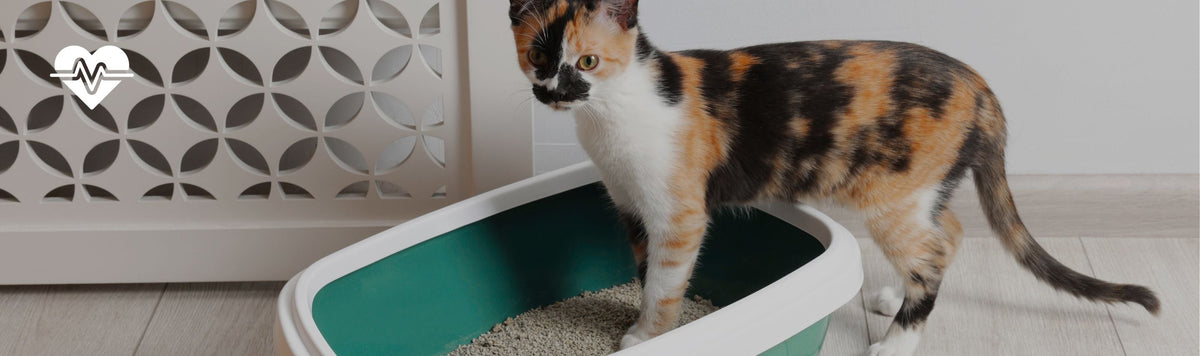
Cats are skilled at hiding pain and discomfort – by the time a cat shows signs of pain, their condition is likely already very serious. Often, the first and only sign that something is wrong may appear in the litter box. That’s why it’s always worth checking what your cat’s poop looks like when you clean the litter box: it’s one of the easiest ways to spot an emerging health problem as early as possible.
What does healthy cat poop look like?
Healthy poop is brown or dark brown, distinctly log-shaped and firm, but not too hard. There should be no visible mucus or blood. Once you know what’s normal for your cat, it’s easier to notice changes quickly.
Your cat’s stool is pale or yellow
Pale, yellow or greyish stool may indicate a problem with the liver, gallbladder or pancreas. If the colour doesn’t return to normal within a couple of days, it’s worth booking an appointment with your vet – especially if your cat is eating their usual food and there’s no clear dietary explanation for the change.
Your cat’s stool is black
Black, tarry stool is a sign of blood that usually comes from the upper digestive tract – the stomach or small intestine. Possible causes include a stomach ulcer, inflammation or parasites. This is always a reason to contact your vet.
Blood in your cat’s stool
Bright red blood or streaks of blood usually indicate irritation or inflammation in the lower digestive tract. If the bleeding recurs, worsens or is accompanied by other symptoms, such as tiredness or pain, a visit to the vet is needed.
Mucus in your cat’s stool
A small amount of mucus is normal, especially in cats with sensitive digestion. Larger amounts of jelly-like mucus – particularly if there’s also blood – may indicate inflammation of the intestinal lining. If this happens repeatedly or is accompanied by straining or litter box avoidance, it’s worth asking your vet to investigate.
Your cat’s poop is hard, or your cat strains in the litter box
Hard stools and noticeable straining may indicate constipation, a blockage or intestinal irritation. However, straining in the litter box can also be caused by difficulty urinating, which can easily be mistaken for trouble passing stool. If your cat repeatedly visits the litter box without success or hasn’t passed stool for more than two days, contact your vet. If your cat is unable to urinate, seek veterinary care immediately.
Your cat’s poop is green
A greenish colour is often linked to a change in diet, such as coloured food, or to food moving through the intestines faster than usual. A single greenish poop is usually no cause for alarm, but if the colour persists or there are other symptoms, it’s worth investigating.
When your cat avoids the litter box
Pooping outside the litter box is one of the most common reasons cat owners contact a vet or behaviour specialist. The cause may be related to the cleanliness or location of the litter box, but pain or illness – such as a urinary tract infection or constipation – is just as often involved. That’s why a sudden change in behaviour shouldn’t be treated as a purely behavioural issue until medical causes have been ruled out.
When should you see a vet?
A single unusual poop isn’t an emergency in itself. But if the change continues for several days, your cat hasn’t passed stool for more than two days, the stool contains blood or looks black, or your cat starts avoiding the litter box, it’s worth booking an appointment with your vet.