
Dental chews: Expert tips for choosing the right chew
This article was produced in collaboration with Virbac.
- How dental chews help support your dog’s oral care
- The best dental chews for dogs
- How to include dental chews in your dog’s dental care routine
- Dental chews as part of a comprehensive oral care approach
Just like humans, dogs need regular oral hygiene to keep their teeth and gums healthy and their breath fresh. However, for many pet owners, tooth brushing can be a real challenge. In this article, we explain how dental chews can support your dog’s oral health and how to choose the right dental chew for your dog.
How dental chews help support your dog’s oral care
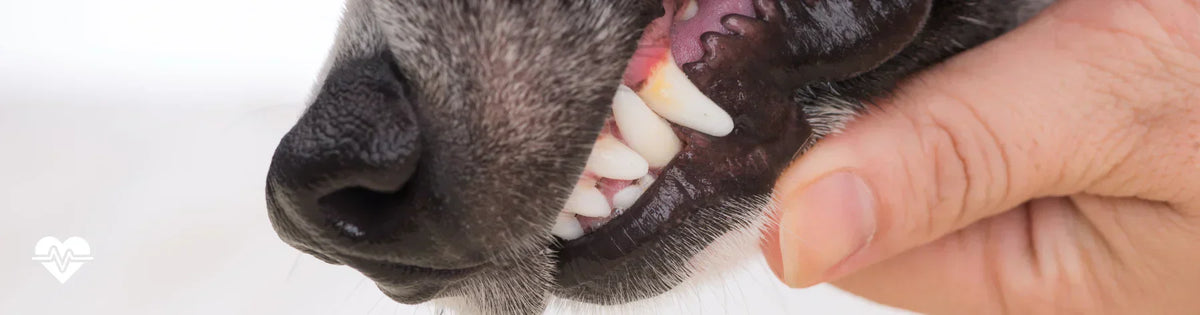
Periodontal disease is one of the most common oral diseases in humans, but did you know that dogs can suffer from it too? According to the American Veterinary Medical Association (AVMA), many dogs already show early signs of gum disease by the age of three, such as bleeding gums and bad breath. As the disease progresses, dogs may experience gum pain and even loose teeth, which can make eating difficult. In severe cases, teeth may be lost and untreated gum disease can lead to serious complications such as infections and heart disease.
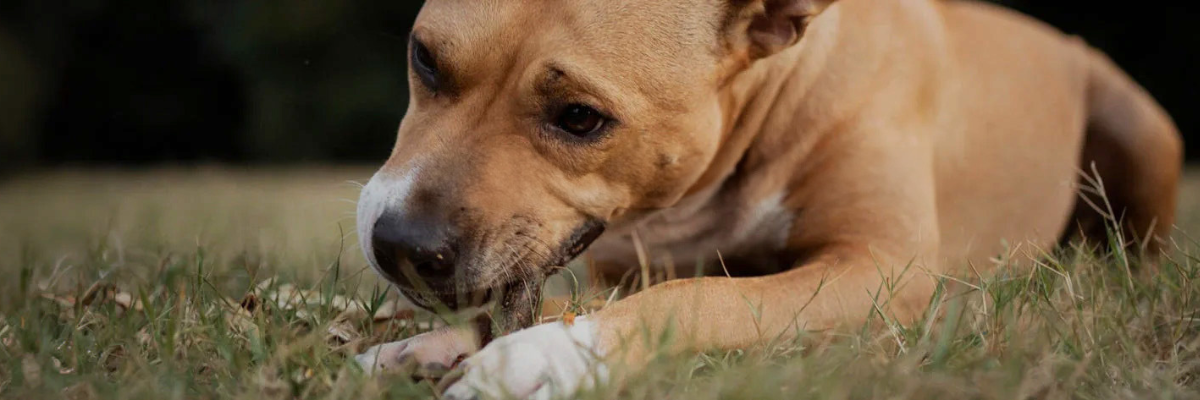
You can protect your dog’s teeth and gums in much the same way you protect your own: by removing plaque through daily tooth brushing and regular dental care. But what can you do if brushing doesn’t work? Not all dogs accept tooth brushing, but few can resist a tasty chew. This is where dental chews can be very helpful.
Dental chews for dogs are designed to support oral hygiene. When your dog chews, the abrasive texture helps remove plaque and tartar, massage the gums and stimulate saliva production. Saliva acts as a natural defence against bacteria and plaque, neutralizes acids in the mouth and helps wash away harmful bacteria. Many dental chews also contribute to fresher breath.
The best dental chews for dogs
When choosing dental chews for your dog, consider the following:
Palatability: Choose a chew that your dog genuinely enjoys – this makes it easier to include in the daily routine.
Ingredients: Look for products made with high-quality and natural ingredients, such as C.E.T.® VeggieDent FR3SH dental chews for dogs.

Size: Select the correct size based on your dog’s weight. A chew that is too large can strain the jaw or cause digestive discomfort, while one that is too small may not clean effectively and could pose a choking hazard.
Texture: The best dental chews are durable yet chewable, with a structure that effectively helps remove plaque. If your dog has tooth pain or sensitive gums, a slightly softer option may be more appropriate – consult your veterinarian if needed.
Hardness: Avoid very hard materials such as hooves, antlers or hard bones (natural or synthetic). These can cause tooth fractures or injuries to the mouth and digestive tract.
Veterinary Oral Health Council (VOHC) approval: Consider choosing products approved by the Veterinary Oral Health Council (VOHC). This seal indicates that the product meets high standards for effectiveness against plaque and tartar.

How to include dental chews in your dog’s dental care routine
The best way to care for your dog’s teeth is through daily tooth brushing using a toothbrush and toothpaste designed specifically for dogs. Adding dental chews can be an excellent complement if brushing is difficult, if your schedule is busy or if you want treats to contribute to better oral health.
Your dog can enjoy dental chews daily, but remember that even healthy chews contain calories. Be sure to include them as part of your dog’s daily energy intake.
If your dog has allergies or sensitivities, always check the ingredient list carefully. If you are unsure about any ingredient, contact the manufacturer or your veterinarian to ensure the product is suitable.
Whether you rely on tooth brushing, dental chews, water additives or a combination of these methods, your dog should have an annual dental check-up with a veterinarian and professional cleaning when necessary. This helps prevent gum disease and allows problems to be detected early.
Contact your veterinarian if your dog shows signs such as:
- Bad breath
- Red, tender, swollen or bleeding gums
- Loose, broken or discolored teeth
- Visible plaque or tartar
- Pain or difficulty eating
- Swelling around the mouth
Dental chews as part of a comprehensive oral care approach
Daily tooth brushing is important for both humans and dogs. However, the right dental chew can be a valuable complement in a comprehensive oral care routine and help keep teeth and gums healthy. Now that you know what to look for, you can confidently choose the best dental chew for your dog!