


WELLNESS THEME
Digestion
Well-being starts in the gut – support for your pet’s digestion
Digestive issues in pets are common and can significantly affect their overall well-being. Typical problems include diarrhea, constipation, gas, vomiting, a sensitive stomach and intestinal imbalance. These issues may be caused by changes in diet, stress, food sensitivities or a weakened gut microbiome.
On this page, you will find expertly selected products that support your pet’s digestive health. Our range includes digestive supplements, special diets for sensitive stomachs, prebiotics and probiotics as well as fiber supplements and enzyme products – for both dogs and cats. Whether your pet is experiencing mild stomach discomfort or long-term digestive issues, you will find safe and effective solutions here.
Let’s help your pet achieve better digestion and a balanced gut – well-being starts from within.
Digestion – read the blogs diving deeper into the subject from below
DIGESTIVE SUPPORT SUPPLEMENTS


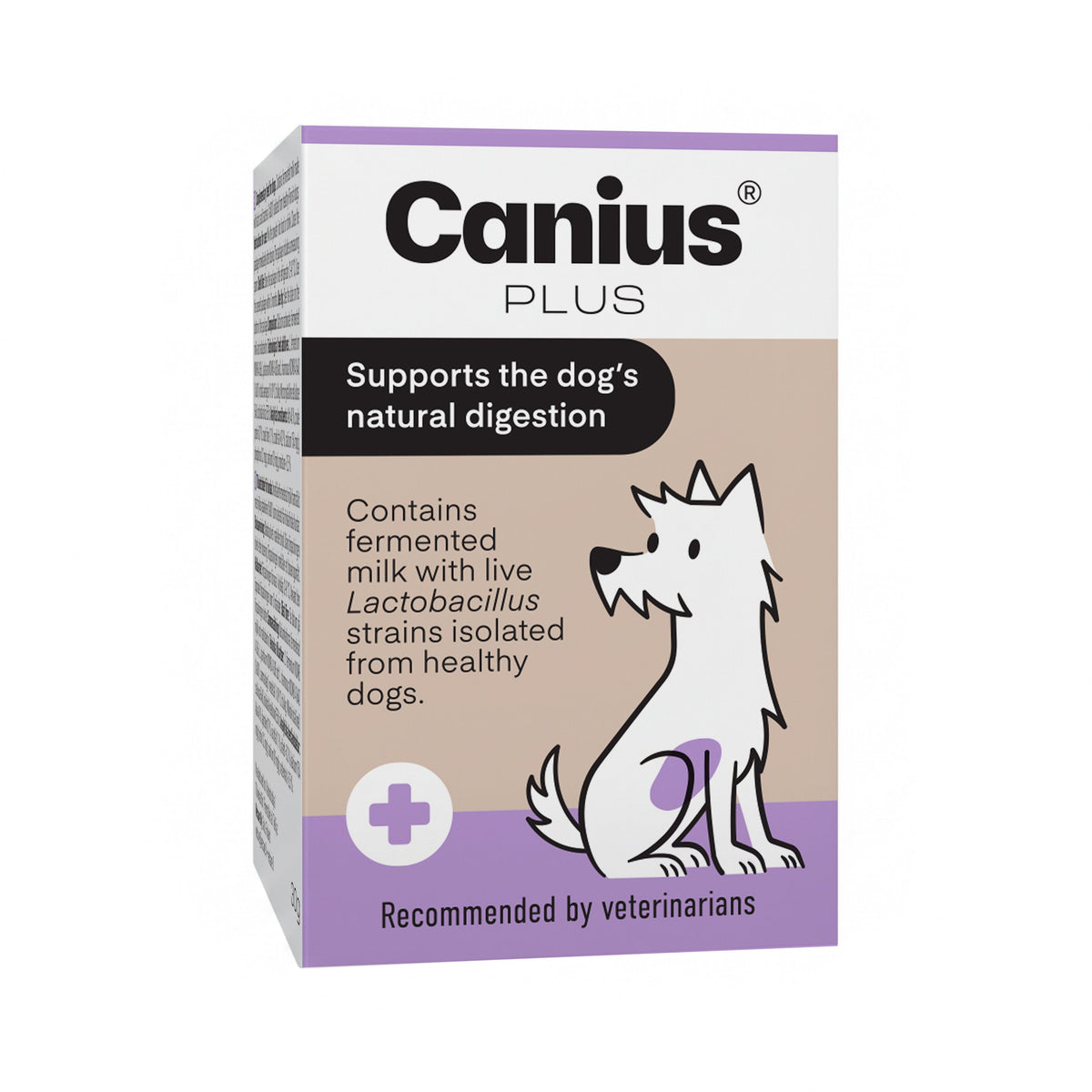
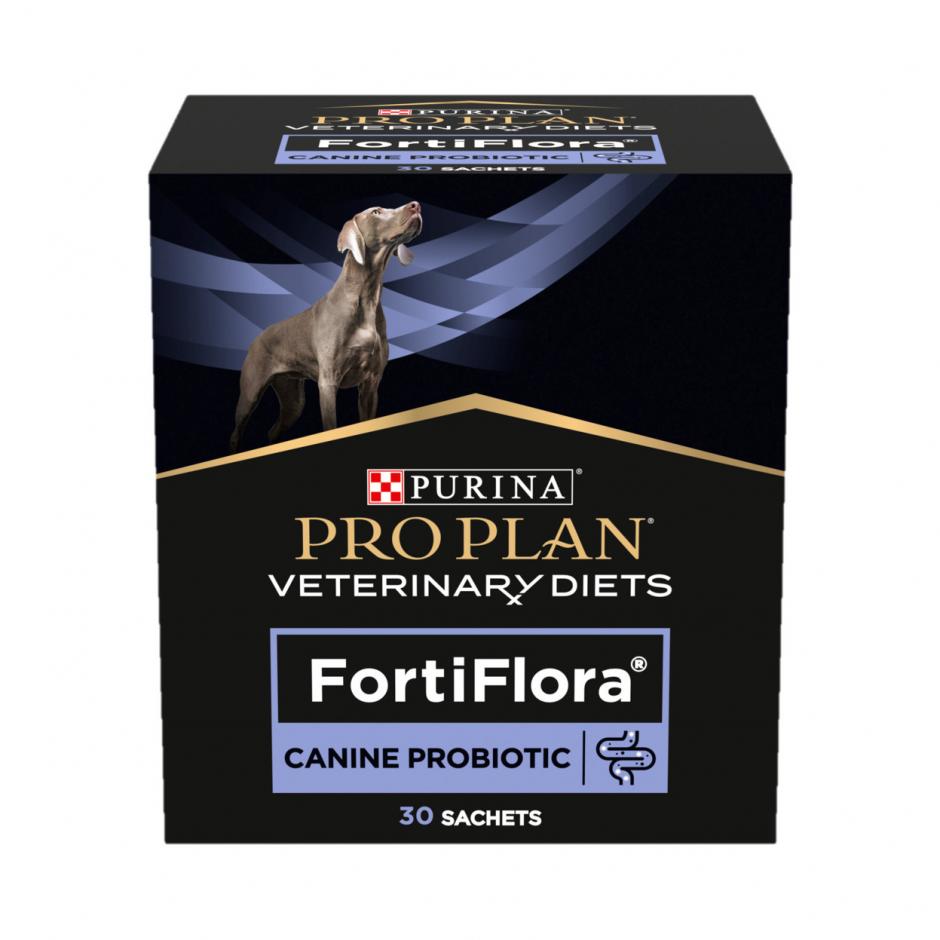
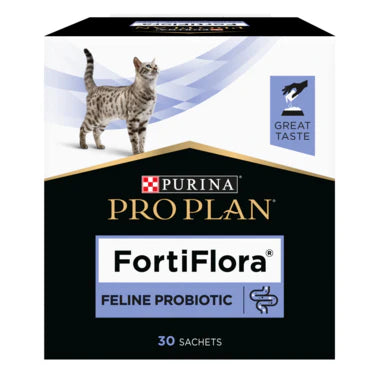





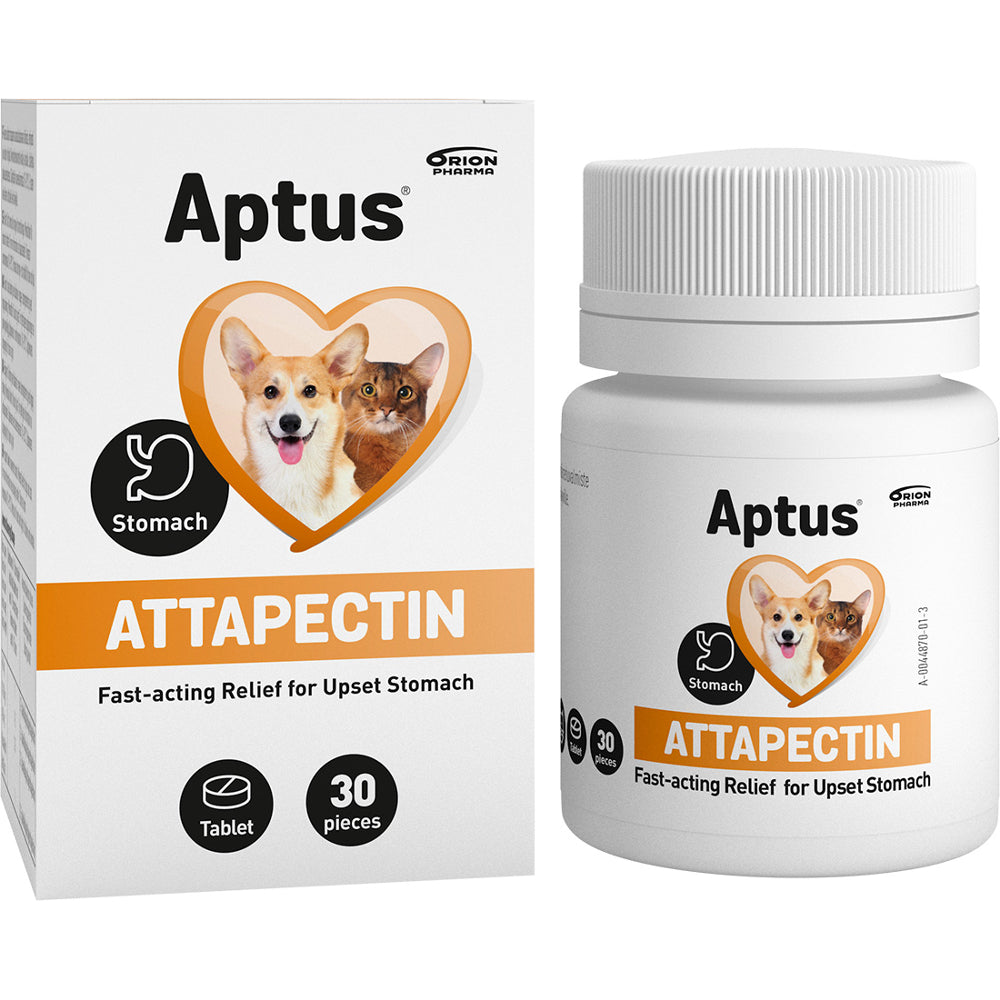
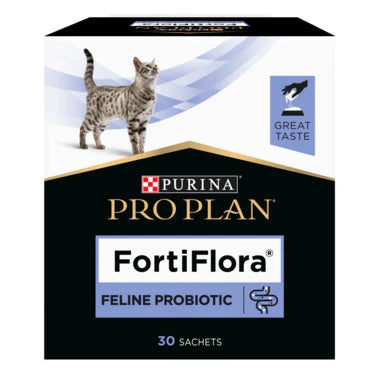
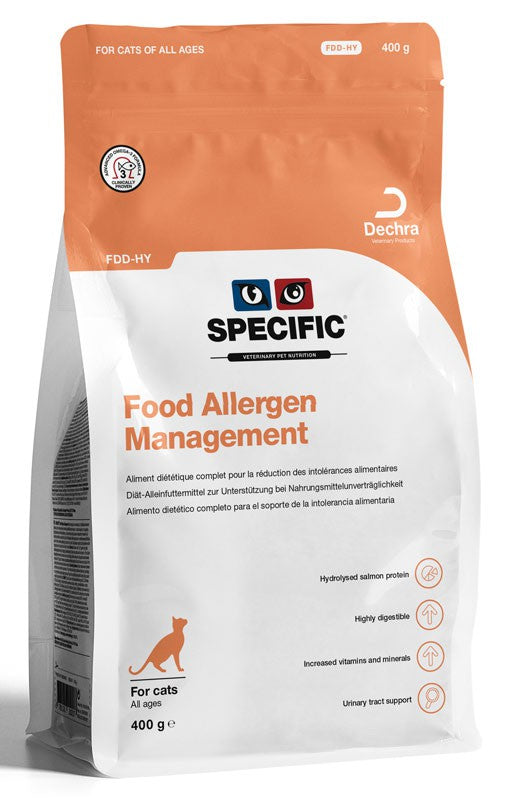
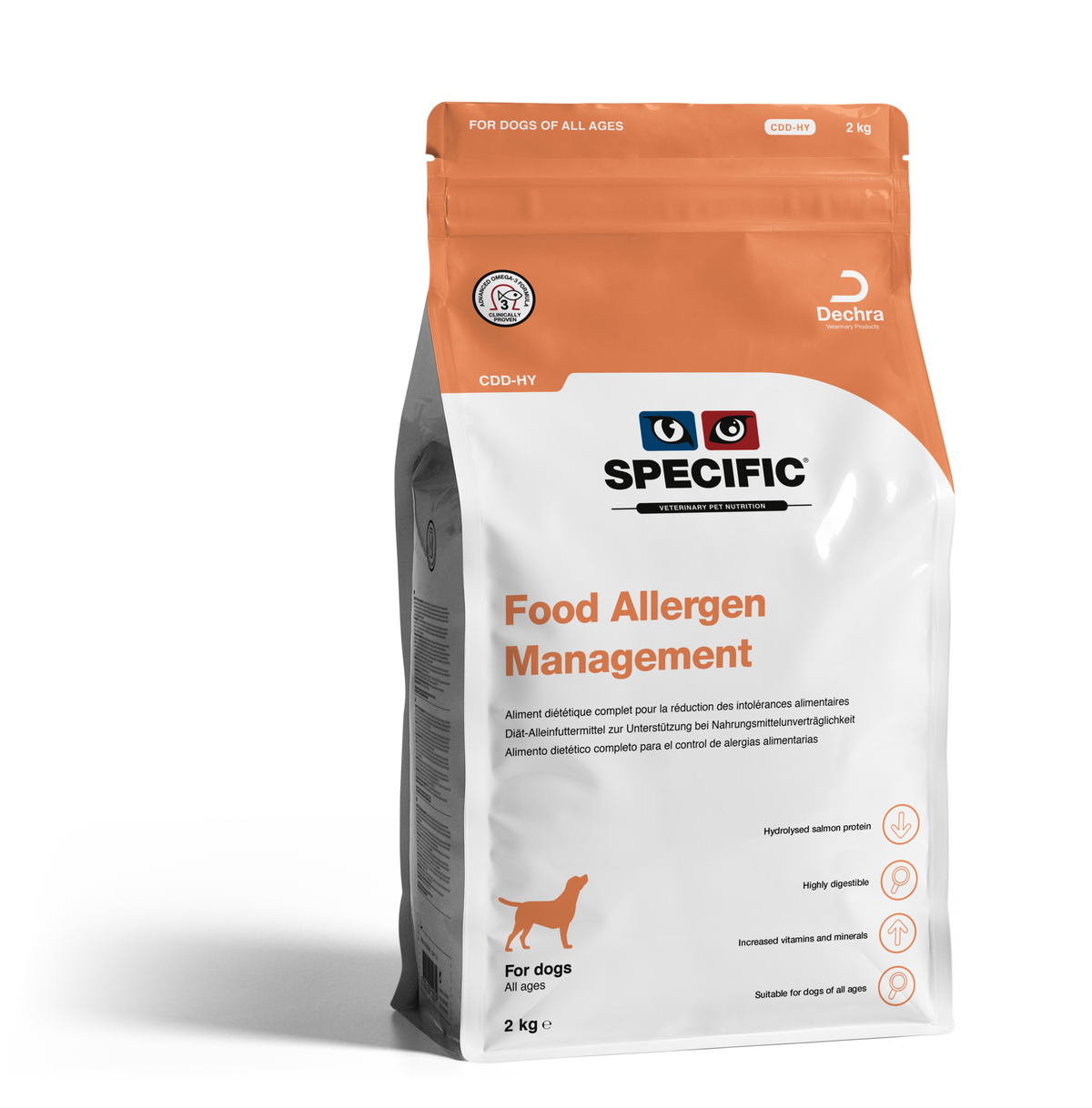
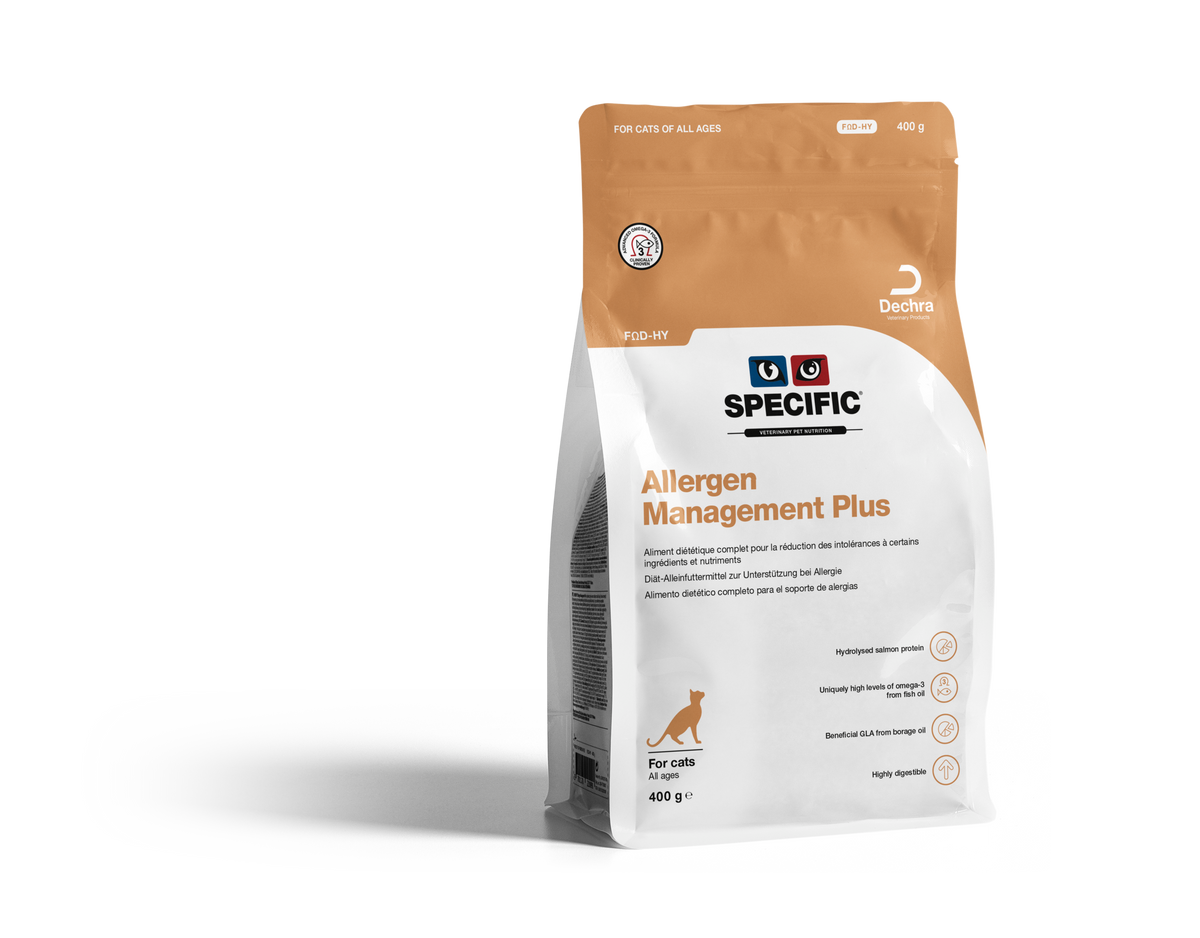
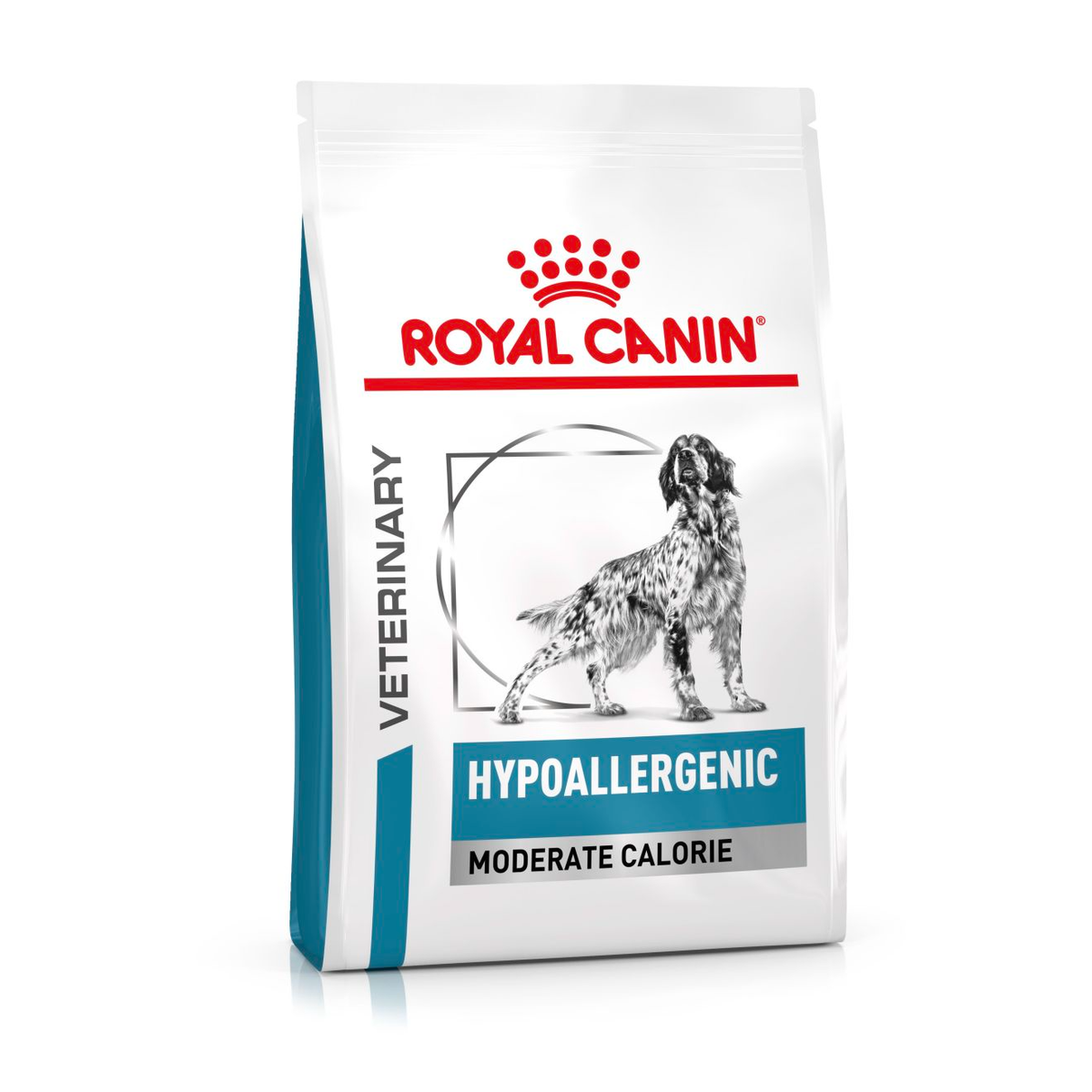
DIGESTIVE HEALTH NUTRITION

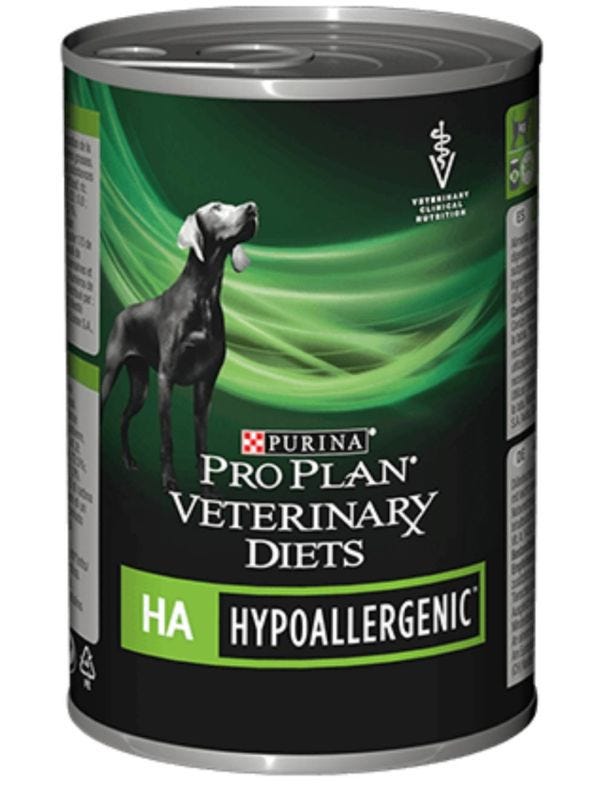
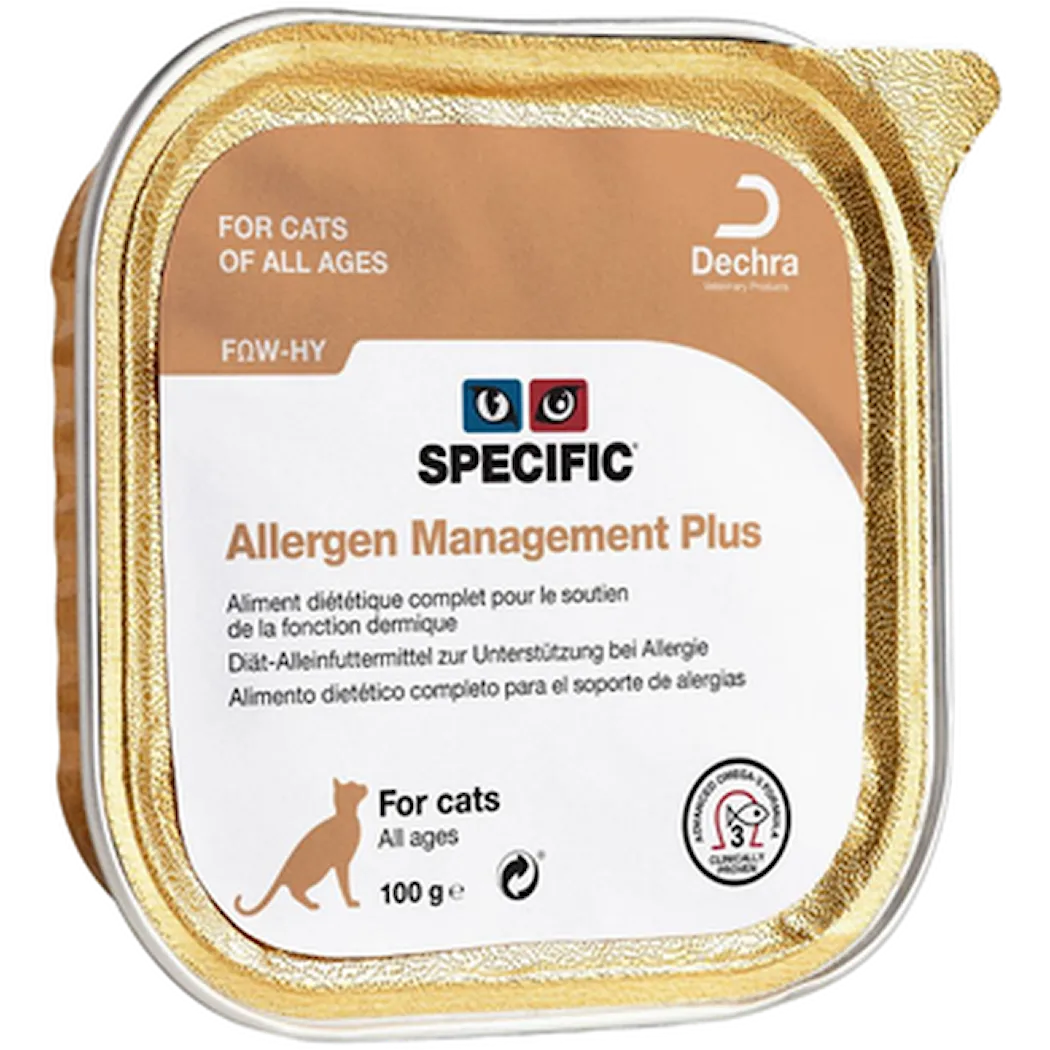

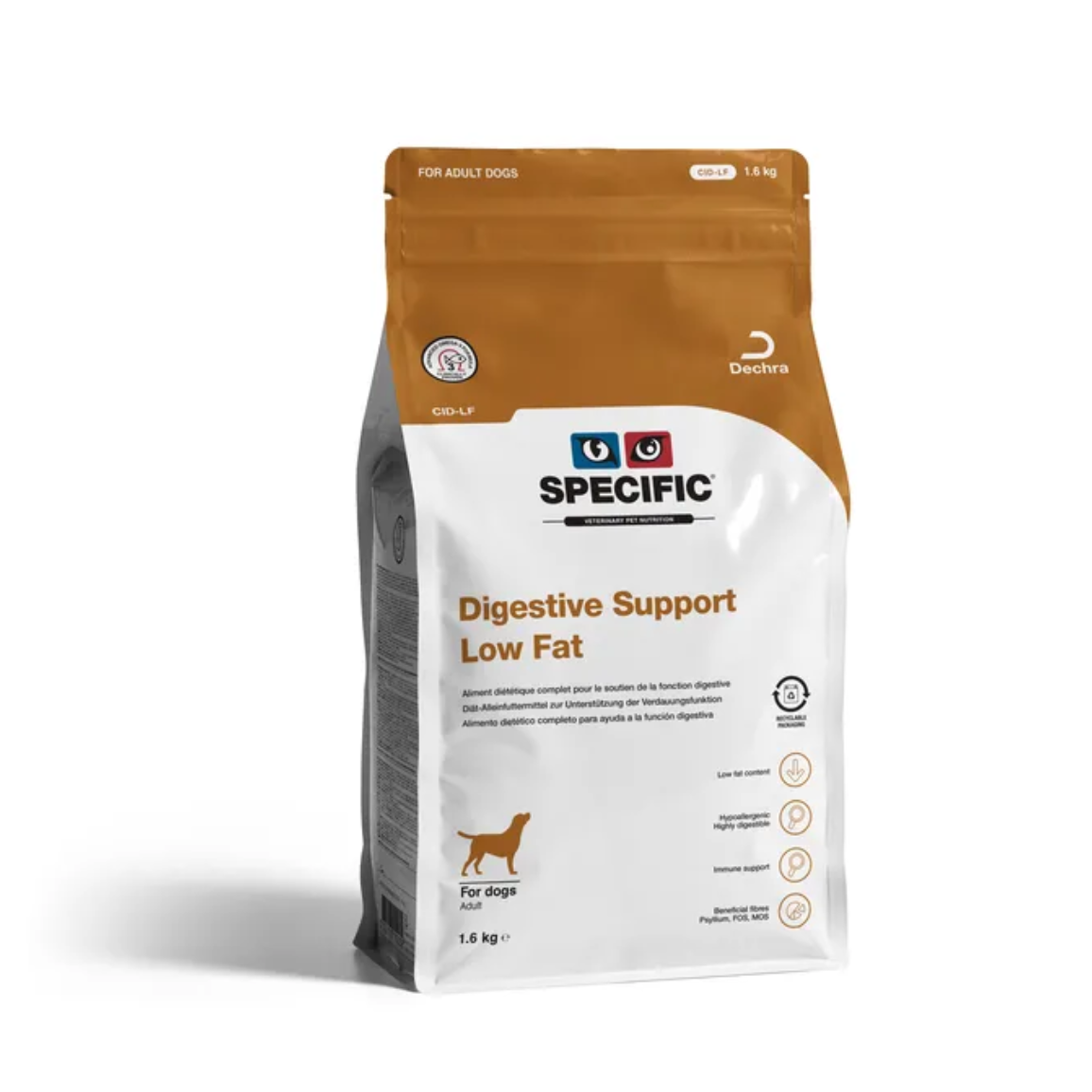







READ MORE
Veterinary advice and expert articles


Common questions
Digestive issues in dogs and cats can vary from pet to pet and the causes are often specific to the individual. Because of this, it’s not always possible to give universal answers. However, the information below can help you better understand common digestive concerns and where to start.
Common signs of digestive issues include diarrhea, constipation, vomiting, gas, stomach noises, loss of appetite, or changes in stool consistency.
Some pets may also show lethargy, weight loss, abdominal discomfort, or unusual body language such as prolonged stretching or the “prayer position” (front legs stretched forward and chest close to the ground), which can indicate stomach pain. If symptoms continue for several days, it may suggest an underlying digestive problem.
Common digestive problems in dogs and cats include:
- Diarrhea or loose stools
- Constipation
- Vomiting
- Gas and bloating
- Sensitive stomach or food intolerance
- Imbalance in the gut microbome
These issues may be caused by dietary changes, stress, infections, food sensitivities, parasites, or an imbalance in the gut microbiome.
In some cases, digestive problems may also be linked to underlying medical conditions such as inflammatory diseases, organ disorders or tumours affecting the digestive system. If symptoms are persistent or severe, veterinary evaluation is strongly recommended.
There are several ways to help support your pet’s digestive health:
- Feed a high-quality diet designed for sensitive stomachs
- Introduce diet changes gradually
- Provide digestive supplements such as probiotics and/or prebiotics
- Ensure your pet has regular feeding times and access to fresh water
- Avoid giving table scraps or sudden new foods
You should contact a veterinarian if:
- Vomiting or diarrhea lasts more than a couple of days
- Your pet stops eating or drinking
- There is blood in the stool or vomit
- Your pet shows signs of pain, lethargy or dehydration
- Digestive problems keep returning frequently
A veterinarian can help identify the cause and recommend the most appropriate treatment.
Yes. Diet plays a major role in digestive health. Some pets have sensitive stomachs or food intolerances that can lead to digestive upset.
A balanced, high-quality diet that includes the right nutrients, fiber and beneficial bacteria can help support healthy digestion and gut balance.


