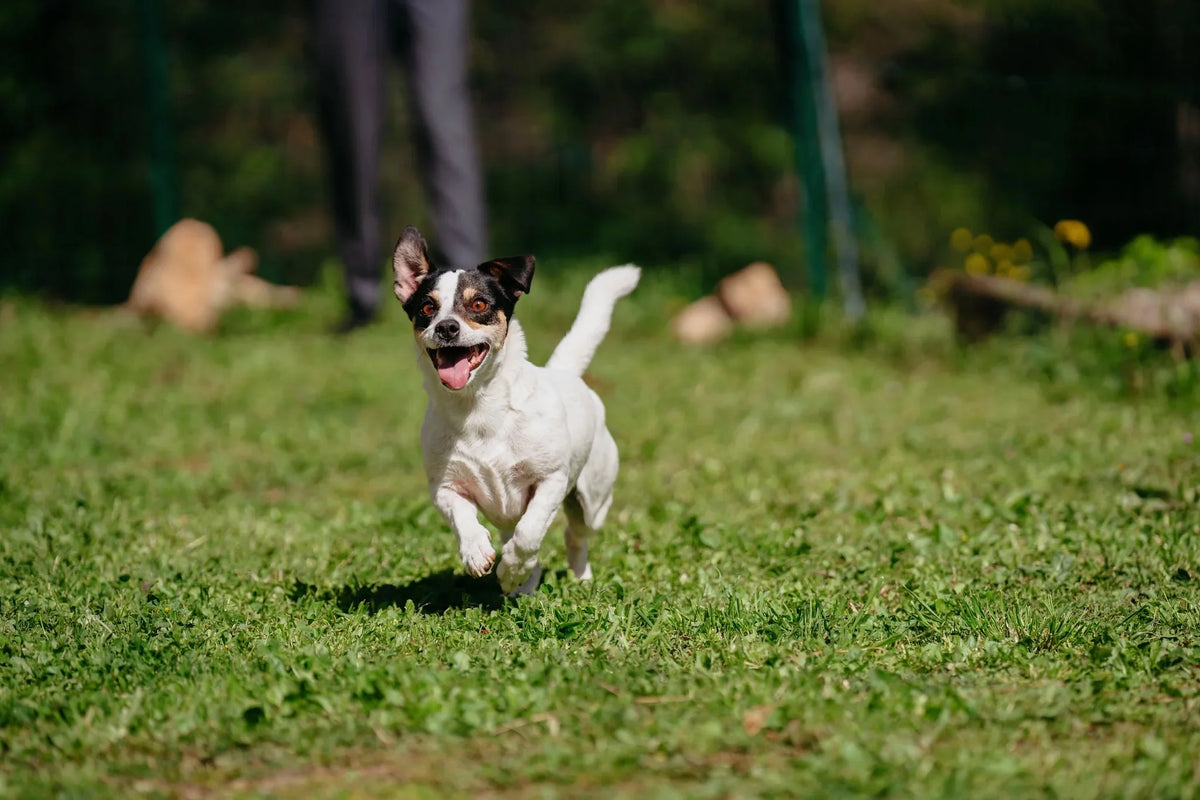


Old age is not a disease – not even for pets
As our furry companions grow older, gradual changes occur in their bodies that may affect their wellbeing. In this article, we explore how ageing affects dogs – and how proper care and nutrition can make a significant difference to a dog’s health and vitality during their senior years.
The article is written by Doctor of Veterinary Medicine Henna Söderholm, who works as Head of Product Development at Alvar Pet and, following the merger, as the veterinarian responsible for product expertise at the VetaPet online store.
When does a dog become a senior?
The timing of age-related changes in dogs depends somewhat on their size and breed. Smaller dogs often live longer and signs of ageing may begin later than in larger breeds. On average, age-related changes in dogs begin around 7–8 years of age: this is a good time to review whether dietary adjustments are needed.
It is important to remember that many changes associated with ageing are not immediately visible. Therefore, you do not need to wait until obvious signs of ageing appear before changing your dog’s diet. Supporting healthy ageing – for example by reviewing and adjusting your dog’s nutrition to better suit a senior dog – should ideally begin well before visible signs of old age appear.
How does ageing affect dogs?
As dogs age, many gradual changes occur in the body. These are a natural part of the ageing process.
-
Energy expenditure decreases and the tendency to gain weight increases.
-
Sarcopenia, or age-related muscle loss, becomes more common.
-
The structure of joint cartilage weakens, increasing the risk of osteoarthritis.
-
Ageing can also affect cognitive functions. Dogs may appear slightly confused, their sleep–wake rhythm may change or they may have difficulty orienting themselves in time or space.
-
The body’s natural antioxidant production becomes insufficient to counteract the effects of free radicals produced by metabolism and the environment. This leads to increased oxidative stress, which can damage cells and is associated with many chronic diseases and the ageing process itself.
-
The skin and coat of senior dogs often begin to thin.
Not all changes associated with ageing are negative, however. For example, a more mature temperament and calmer, more controlled behaviour can certainly be considered positive aspects of growing older.
Can the ageing process be supported with proper nutrition?
In other words, can diet help add healthy years to a dog’s life?
A well-balanced, needs-based diet can support a dog’s health throughout its life – also and especially during its senior years.
There are many complete foods and supplements specifically developed to meet the unique needs of older dogs and support their wellbeing. Proper nutrition can help slow down or counteract several age-related changes:
Energy expenditure and weight gain
-
Choose a food with a moderate calorie and fat content, allowing you to reduce energy intake without drastically decreasing portion sizes
-
Higher fibre content can help dogs feel full despite reduced calorie intake.
-
Wet foods can also help fill the stomach without significantly increasing energy intake.
Muscle loss (sarcopenia)
-
The diet should include plenty of high-quality, easily digestible protein to support muscle maintenance in ageing dogs
-
L-carnitine, which supports fat metabolism, may help maintain lean muscle mass
Stiffening joints
-
Ensure your senior dog receives nutrients that act as building blocks for joint cartilage, such as glucosamine and chondroitin sulfate, which support joint function and synovial fluid production
-
Fish oil provides beneficial omega-3 fatty acids, whose anti-inflammatory properties support joint health
Cognitive function
-
Omega-3 fatty acids are important for brain and nervous system function and help maintain cognitive abilities such as memory and attention
-
Antioxidants also play a similar protective role
-
Certain amino acids, such as tryptophan, may help regulate neurotransmitter production in the brain
-
Phospholipids in the diet may influence communication between cell membranes
Oxidative stress
-
Added antioxidants in the diet act as protective agents against cellular damage
-
Examples include vitamins C and E from berries, as well as taurine
Thinning skin and coat
-
Adequate protein intake supports hair growth and skin renewal
-
Omega fatty acids improve skin moisture balance and reduce irritation
-
Vitamin A and B vitamins support the renewal of skin and its natural lipid layer
-
The trace mineral zinc supports skin healing and hair growth
Feeding routines for senior dogs
As dogs age, their senses may weaken, which can affect their appetite. A reduced sense of smell may make food less appealing, so aromatic and strongly scented foods may be a good choice for older dogs.
Canned or wet food, which often has a stronger aroma than dry food, can be a good option either on its own or mixed with kibble. Slightly warming the food may further enhance its scent and palatability.
Soft food may also be helpful for dogs that have lost teeth with age, making chewing more difficult.
However, feeding softer food should not replace proper dental care. Maintaining dental health in cooperation with a veterinarian is extremely important for the overall health of an ageing dog.
Food quality and digestibility are also especially important for senior dogs, as nutrient absorption may decline slightly with age.
I hope these tips help you maintain the vitality and health of your pet in their well-deserved golden years. :)