
How to help your dog lose weight safely: expert advice on dog weight management
Overweight and obesity are unfortunately very common in dogs and they expose our canine companions to serious health problems while shortening their lifespan. Although helping a dog lose weight is not always easy, it is absolutely worthwhile, as it improves the dog’s health, happiness, and overall quality of life.
Read on for expert advice on creating an effective diet and exercise plan to help your dog lose weight.
This article was written in collaboration with Virbac.
- Understanding canine obesity: causes and risks
- How to tell if your dog is overweight
- How to create an effective weight management program
- The best dog food for weight loss: the best choices for healthy nutrition
- Creting a safe exercise routine
- Monitoring progress and adjusting the plan
- Prevention is easier than weight loss
- Give your dog the best chance for good health
Understanding canine obesity: causes and risks
A dog’s ideal weight varies depending on breed, age and sex. If a dog weighs 10–29% above its ideal weight, it is considered overweight. When the excess weight reaches 30% or more, the condition is classified as obesity.
Obesity develops when a dog consumes more calories than it burns over a long period of time. The extra calories are stored as fat, causing weight gain.
Several factors increase the risk of weight gain, amongst others are:
- Diet: high-calorie foods, treats and table scraps can easily lead to excessive calorie intake
- Exercise: the less a dog moves, the fewer calories it burns
- Age: just like people, dogs tend to become less active as they age.
- Spaying or neutering: after the procedure, metabolism and hormone balance change, meaning the dog may require less food to maintain a healthy weight
- Health conditions: certain illnesses may limit physical activity and some medications can increase appetite and/or slow metabolism

Obesity can have serious consequences for your dog’s health. It may make everyday activities such as walking, playing and grooming more difficult, significantly reducing quality of life.
Over time, obesity can also lead to:
- Poor skin and coat condition
- A 3.5-times higher risk of diabetes
- Heart and lung diseases
- Collapse of the trachea
- Urogenital disorders
- A 2-3-times higher risk of osteoarthritis and ligament injuries
- Up to two years shorter life expectancy
Helping an overweight or obese dog lose weight improves the dog's overall wellbeing, reduces the risk of chronic diseases and gives you more healthy years together.
How to tell if your dog is overweight
The best way to determine whether your dog is overweight is to consult a veterinarian. A vet can estimate your dog’s ideal weight based on breed and age, assess its current condition and provide weight management advice.
If you already know your dog’s ideal weight, you can make a rough estimate yourself. First weigh yourself, then weigh yourself while holding your dog. The difference between these numbers gives your dog’s current weight. Use this formula:
Excess weight ÷ ideal weight × 100
A result of 10–29 indicates overweight, while 30 or more indicates obesity.
You can also evaluate your dog’s body condition visually. When viewed from the side, the abdomen should rise slightly behind the ribs. From above, the waist should be clearly defined. The ribs and spine should not be clearly visible but should be easy to feel under a thin layer of fat.
In overweight dogs, the body may appear round without a defined waist. The ribs may be difficult to feel and fat deposits may appear around the abdomen or base of the tail. The belly may also hang down.
Behavioral changes that may indicate overweight include:
- Avoiding or refusing exercise
- Falling behind during walks
- Reduced interest in play
- Heavy panting during activity
- Getting tired easily
- Needing help getting into the car or onto furniture
- Difficulty grooming themselves
These signs may also indicate illness, so consult a veterinarian if you are concerned.
How to create an effective weight management program
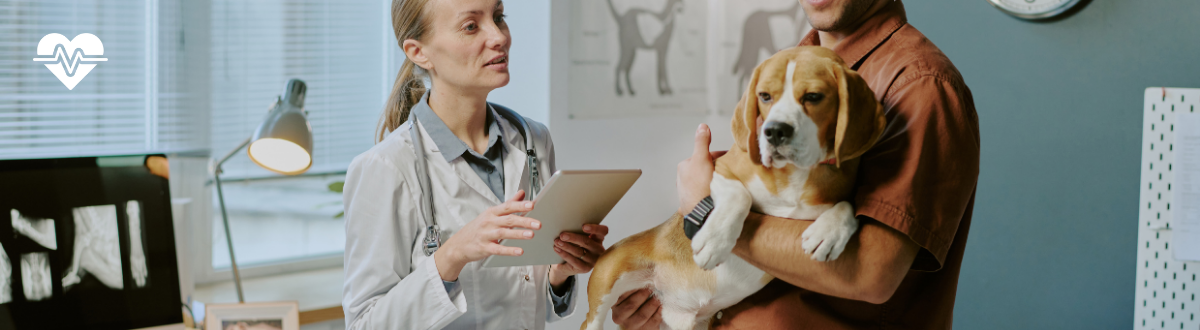
If you suspect your dog is overweight or obese, the first step is a veterinary visit. The veterinarian will weigh and examine your dog to ensure that the weight gain is not caused by an underlying health condition. After this they can then help create a personalized weight management plan.
These tips may help with weight loss:
- Switch to a special weight-loss dog food, such as VETERINARY HPM® Weight Loss & Diabetes
- Follow your veterinarian’s recommended daily feeding amounts carefully
- Measure portions with a kitchen scale to avoid overfeeding
- Increase daily physical activity
- Monitor your dog’s weight regularly
- Avoid feeding table scraps
Treats can still be given occasionally during a weight-loss program, but in moderation. One dog biscuit can be equivalent to a sugar-glazed doughnut for humans. Choose healthier options, such as VeggieDent® FR3SH™ dental chews, and count them as part of the daily calorie intake.If your dog begs for food, remember that it is often seeking attention and affection. Playtime and petting can be just as rewarding.

The best dog food for weight loss
Simply reducing the amount of food is not recommended. At best, your dog may remain hungry and continue begging; at worst, it may suffer from nutrient deficiencies.
A veterinarian will usually recommend a diet specifically formulated for weight management, such as VETERINARY HPM® Weight Loss & Diabetes.
This high-protein, low-calorie food helps dogs lose weight by:
- Promoting fat burning while maintaining muscle mass
- Providing essential vitamins and minerals
- Helping the dog feel full thanks to carefully selected proteins and fibers
VETERINARY HPM® Weight Loss & Diabetes also helps reduce health risks associated with obesity.
The formula contains:
- Chondroitin and chitosan to support and protect joints
- Low starch and sugar content to help maintain healthy blood sugar levels
The food also supports gradual and sustainable weight loss and can be used for weight maintenance after the program.
Creating a safe exercise routine
Regular exercise is an effective way to increase daily energy expenditure and promote weight loss. However, excess weight puts strain on the heart, lungs and joints, so activity should be increased gradually and intense exercise such as running should initially be avoided.
Start by increasing the frequency and length of walks gradually. Later, you can add short hikes. Games like fetch can motivate your dog to move, simply increase the throwing distance over time. If your dog enjoys water, swimming is an excellent low-impact exercise that is gentle on the joints.
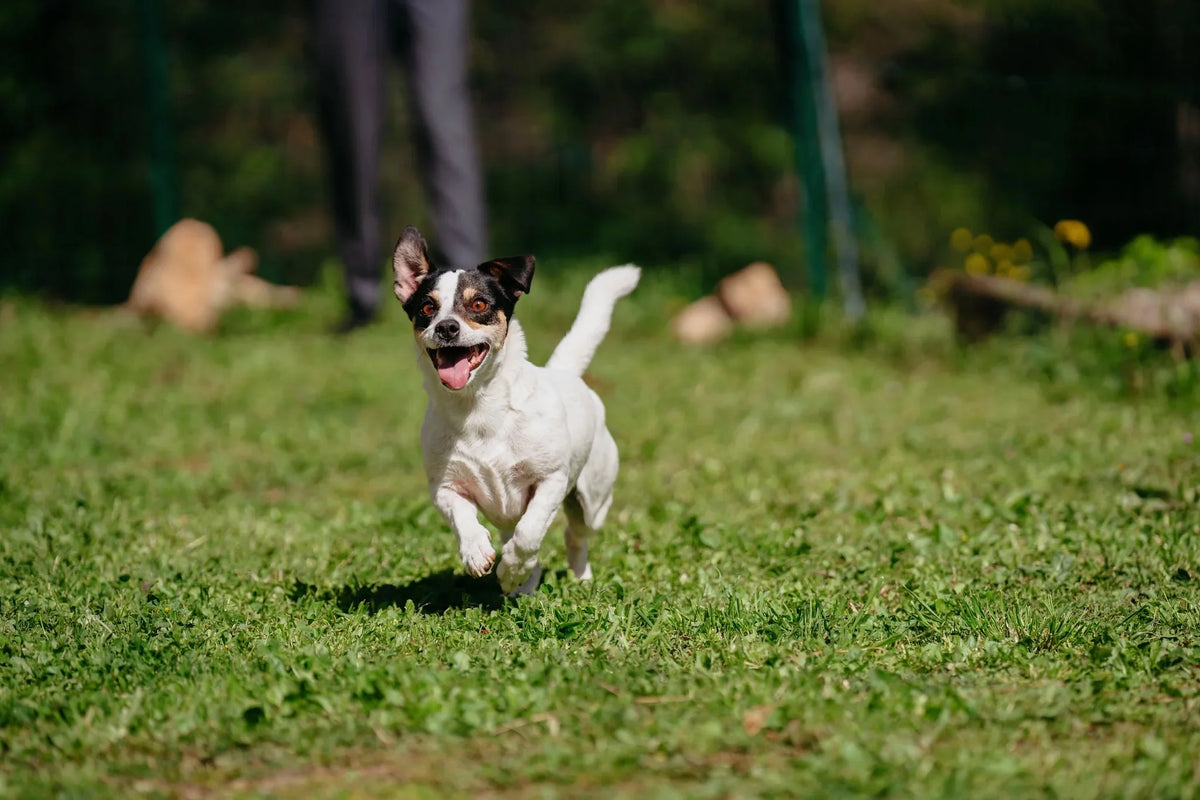
At home, you can increase activity by offering more opportunities to move. In a safe yard, you can play, teach tricks or create a fun agility course.
Always watch for signs of overexertion, such as excessive panting. If your dog has health conditions or if you are unsure about safe activity levels, consult your veterinarian.

Monitoring progress and adjusting the plan
During a weight-loss program, it is recommended to visit the veterinarian monthly. Changes can be difficult to notice in everyday life, but a veterinarian can assess progress objectively. As your dog loses weight, its nutritional needs change and the plan may need to be adjusted to ensure safe and effective weight loss.
Prevention is easier than weight loss
Helping a dog lose weight can be challenging and previous obesity increases the risk of future weight gain. Therefore, preventing weight gain is always the best strategy.
Helpful tips include:
- Follow your veterinarian’s recommended daily calorie intake
- Limit treats to no more than 10% of daily energy intake
- After spaying or neutering, switch to a lower-energy diet, such as VETERINARY HPM® Adult Neutered Dog for small/toy breeds and medium/large breeds
- Keep your dog active with regular walks, hikes, swimming and play
- Monitor weight regularly and adjust feeding amounts as needed
- Visit your veterinarian regularly for check-ups and professional advice
Give your dog the best chance for good health
Obesity is a serious health risk for dogs, but fortunately there is much you can do to improve the situation. With a safe exercise plan, a specialized weight-loss diet, such as VETERINARY HPM® Weight Loss & Diabetes, and guidance from your veterinarian, you can help your dog reach its ideal weight and enjoy a healthier, happier and longer life.