

Is your dog itching or licking its paws? – Signs of dog allergies
Constant itching, red skin, or paws that never get a break are frustrating for both dog and owner. The problems often begin with increased scratching behind the ears or the dog intensely cleaning its paws after a walk. When the behavior turns into a fixation that causes sores in the skin, action is required. Dog allergies significantly affect quality of life, but with the right knowledge and tools, the dog can live a more comfortable life. By identifying the underlying causes, it is possible to manage the root problem in a sustainable way.
Dog allergy is a medical condition in which the immune system reacts incorrectly. Owners often first suspect temporary skin irritation, but when the symptoms recur seasonally or become chronic, allergy is a likely cause. Early identification of the signals is crucial to avoid secondary infections. Intense licking of the paws is often a clear indication that the dog’s body is reacting to something in its environment or diet.
Dog allergies occur when the immune system overreacts
Allergies in dogs are caused by an incorrect reaction from the immune system. The body perceives harmless substances, such as pollen, proteins in food, or mites, as threats. To fight these substances, histamine and inflammatory compounds are produced. Unlike humans, who often experience sneezing, dogs primarily show allergic reactions through their skin.
In cases of sudden and intense itching, you should first rule out parasites such as fleas, lice, or mites. If the dog is parasite-free, an allergy investigation is the next step to determine the correct treatment and diet.
Genetics play a role in the development of allergies, but the external environment also affects the course. In an allergic dog, the skin barrier is weakened. Healthy skin functions as a tight protective layer, but in allergy, defects occur that allow allergens to penetrate more easily while moisture escapes. The result is dryness, irritation, and itching that often requires professional help to break.
Symptoms of allergies: More than just itching
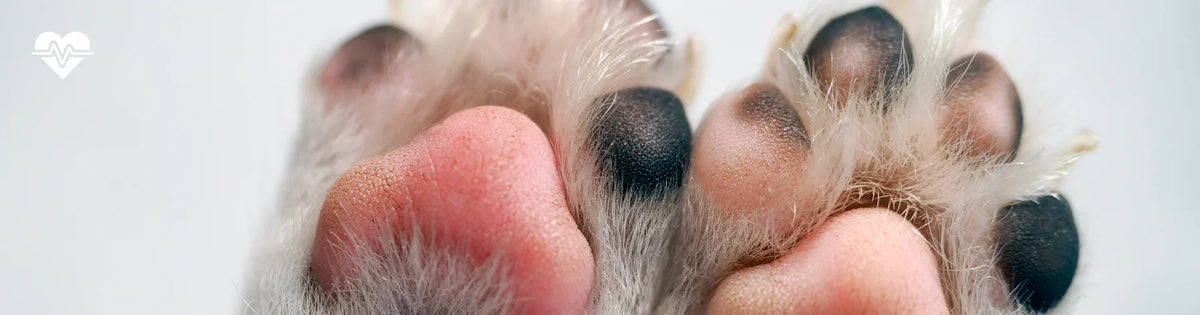
Signs of allergies in dogs vary but are often clear. Licking or biting the paws is among the most common symptoms. The skin between the toes often becomes red and moist. Saliva can also discolor the fur brownish in these areas due to porphyrins. The paws are particularly exposed because the skin there is thin and easily absorbs environmental allergens during walks.
Recurring ear infections are another common indicator. Dirty, smelly, or red ears may be the only visible sign of an underlying allergy. The skin in the armpits, groin, and face is also often affected. When the dog scratches, small wounds form where bacteria and yeast can take hold, leading to secondary infections that worsen the itching. Managing this often requires medicated shampoos and an adapted dietary plan.
The difference between food allergies and environmental allergies
It is necessary to distinguish between food allergies and atopic dermatitis (environmental allergies). In food allergies, the dog reacts to a specific ingredient, usually a protein source such as chicken, beef, or dairy products. Symptoms of food allergies often persist year-round and may be accompanied by digestive issues such as loose stools or gas.
Common allergens in dogs
Food allergens: Proteins in the diet that require a strict elimination diet.
Environmental allergens: Pollen, mites, and mold that the dog comes into contact with.
Contact allergy: Direct reaction to materials, shampoos, or specific plants.
Environmental allergy, or atopy, is a reaction to substances in the surroundings. Symptoms are often seasonal in the case of pollen allergy but can be chronic in allergies to house dust mites. Atopy is mainly managed by strengthening the skin barrier and, when necessary, using medication. Since many dogs suffer from both forms simultaneously, a thorough investigation with an animal health expert is important to find an effective solution.
Investigating dog allergies step by step
Identifying allergens requires a systematic process. The most reliable way to diagnose food allergies is an elimination diet. During a set period, the dog eats a food with a protein source it has never tried before, or a hydrolyzed diet. In a hydrolyzed diet, protein molecules are broken down into such small pieces that the immune system does not recognize them. This minimizes the risk of allergic reactions and allows skin inflammation to heal.
During an elimination diet, the dog must eat only the recommended diet food. Even small amounts of other treats, chews, or table scraps can affect the results and require the process to be restarted.
In suspected environmental allergies, the veterinarian may perform skin prick tests or blood tests to identify specific substances the dog reacts to. Regardless of the cause, the goal is to reduce exposure to allergens while strengthening the body’s natural defenses against external stressors.
Implementing an elimination diet
Choose a strict veterinary diet (hydrolyzed or with a novel protein source) in consultation with a veterinarian.
Feed only this diet for 8–12 weeks. No other treats or chews are allowed during this time.
Document the dog’s itching and skin condition regularly throughout the period.
Long-term care and barrier-strengthening measures
After diagnosis, care focuses on optimizing the dog’s daily life. The emphasis is on maintaining a strong skin barrier that retains moisture and keeps allergens out. Essential fatty acids such as Omega-3 and Omega-6 are key here. These fatty acids reduce inflammation in the skin and contribute to healthier fur and skin structure.
In addition to diet, topical treatment is effective. Regular washing with medicated shampoos for allergic skin removes allergens from the coat, adds moisture, and soothes irritation. The combination of properly adapted nutrition and skin care often provides the best results for dogs with chronic issues.
Having an allergic dog requires attention to changes in the environment. Strategies that worked previously may need adjustment if the itching returns. Managing dog allergies is often lifelong, but with the right diet and care, the dog can live an active and good life without the limitations caused by constant itching.
Find the right solution for your dog’s allergy
At Vetapet you will find a wide range of veterinary diets and care products designed for dogs with sensitive skin and allergies. We offer products that support your dog’s unique needs throughout its life.
See our range for dog healthBy acting on early signals such as paw licking and skin redness, you can significantly improve your dog’s well-being. A correct diagnosis and a diet that supports the immune system reduce itching and allow the skin to heal. Every dog has its own needs, and together with expert guidance, the best conditions are created for a healthy life without irritation. Focusing on the underlying causes gives the dog the best possible foundation for good health.


