

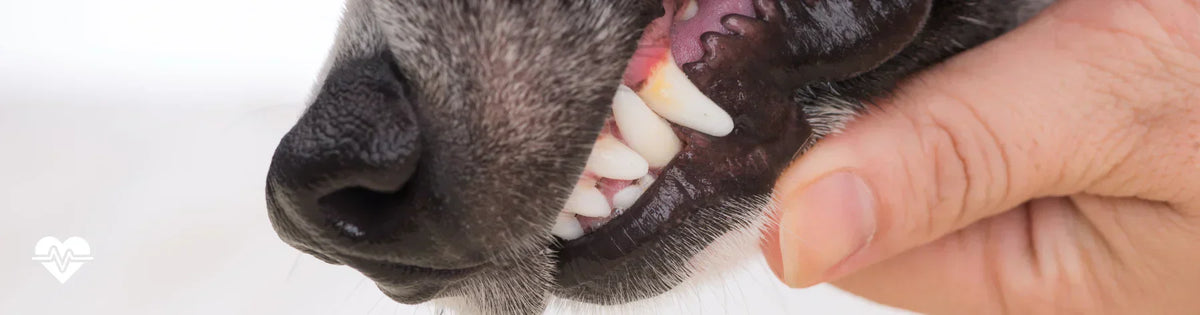
A veterinarian’s guide to maintaining your pet’s dental health
Maintaining your pet’s oral health relies on regular veterinary check-ups and careful home care. Preventive measures are essential, since problems in the mouth can develop long before they become visible externally.
1. Dental care performed by a veterinarian
Regular examinations of the mouth and teeth by a veterinarian are a cornerstone of good oral health. It is wise to have your pet’s mouth examined before any signs of problems appear. You can ask your veterinarian when dental examinations are recommended, for example during vaccination visits for young animals. During the puppy and kitten stage, it is particularly important to monitor the normal development of the bite.
Cleaning plaque and tartar is an important part of dental care, but it is not the only measure that may be needed. During the examination, the veterinarian performs a comprehensive assessment of oral health and identifies any other needs. In cats, for example, tooth resorption (TR) can often be detected at an early stage with the help of dental X-rays.
Although cavities are less common in animals than in humans, pets’ teeth may still require different treatments, such as repair of damaged teeth, root canal treatment, tooth extractions or orthodontic treatment for medical reasons.
2. Active home care – Tooth brushing
Tooth brushing is the most effective way to slow the buildup of plaque and tartar. Daily tooth brushing is recommended for all pets, but even brushing performed less frequently can still be beneficial.
Use a toothbrush designed for pets or a small, soft children’s toothbrush for smaller animals. A flavored toothpaste formulated for dogs or cats can make brushing a more positive experience and enzymatic toothpastes can enhance the effect of brushing. Human toothpaste should not be used for animals, as it may contain ingredients that are unsuitable for dogs and cats.
It is best to accustom the animal to tooth brushing from an early age, ideally as a puppy or kitten. Train calmly and gradually and use positive reinforcement.
3. Passive home care – products that help reduce plaque and tartar
In addition to brushing, various supplements and chewing products can help slow the formation of plaque and tartar. Some dry foods have similar properties and there are also products that can be added to drinking water.
One advantage of so-called passive home care is that it is often easier to implement than tooth brushing and therefore easier to maintain consistently over time.
The best recommendation is to combine tooth brushing with products that help prevent plaque and tartar build up.
Summary
Maintaining your pet’s dental health depends on regular veterinary examinations and both active and passive home care. The best results are achieved when daily tooth brushing is combined with products that help slow plaque and tartar formation.
Preventive care and early detection reduce the risk of painful oral diseases and contribute to the long-term health and well-being of your pet.
Discover the right products in our wide range:
Toothbrushes and toothpastes
Supplements for dog dental health
Supplements for cat dental health
Dental chews and treats for dog dental health